

The Power Of Light
Long before a sermon is heard or a song is sung, light begins shaping the worship experience.
It creates a sense of calm, encourages reflection, and connects worshippers to the world beyond the sanctuary walls. Unlike other building materials, light is constantly changing, transforming a space throughout the day and across the seasons.
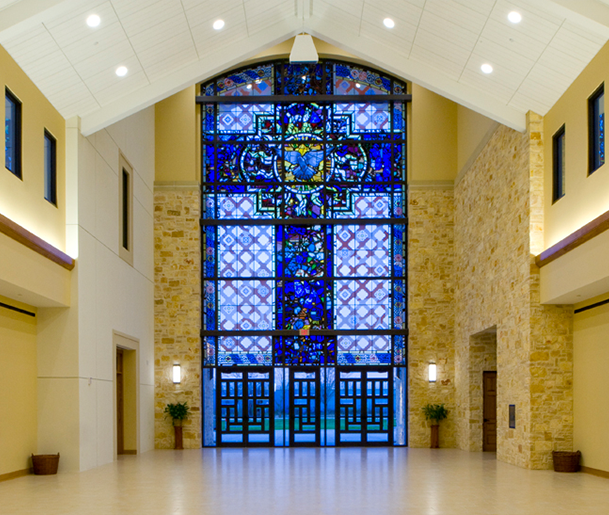
For centuries, architects have used stained glass to shape daylight into something more meaningful. Beyond its visual beauty, stained glass introduces color, symbolism, and a sense of reverence that has become synonymous with sacred architecture. While worship styles and building forms continue to evolve, light remains one of the most powerful tools for shaping the worship environment.
“Through stained glass and thoughtfully designed daylighting, ordinary sunlight becomes part of the architecture itself, casting changing patterns of light, reinforcing important focal points, and transforming the sanctuary throughout the day.”
The Co-Cathedral of the Sacred Heart
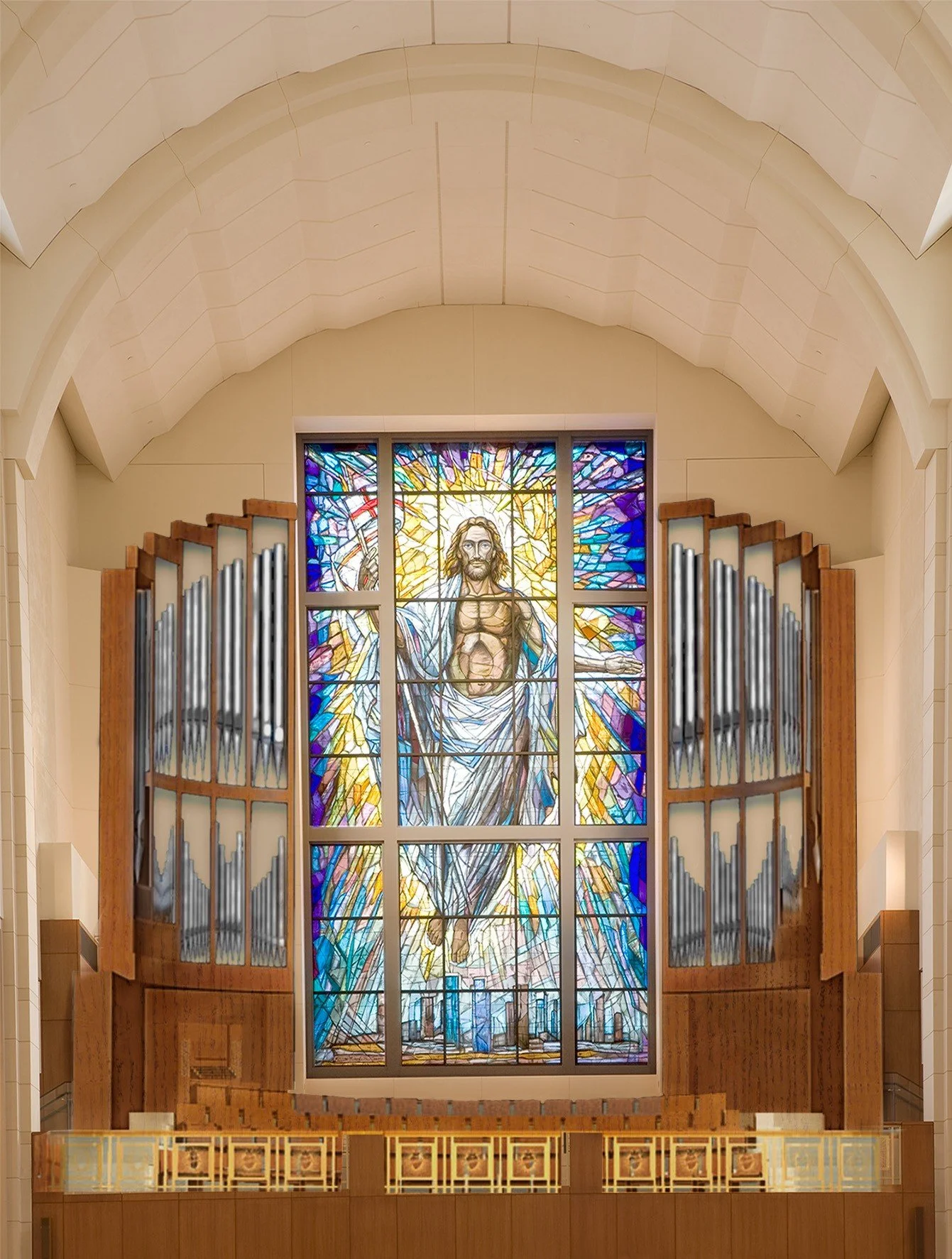
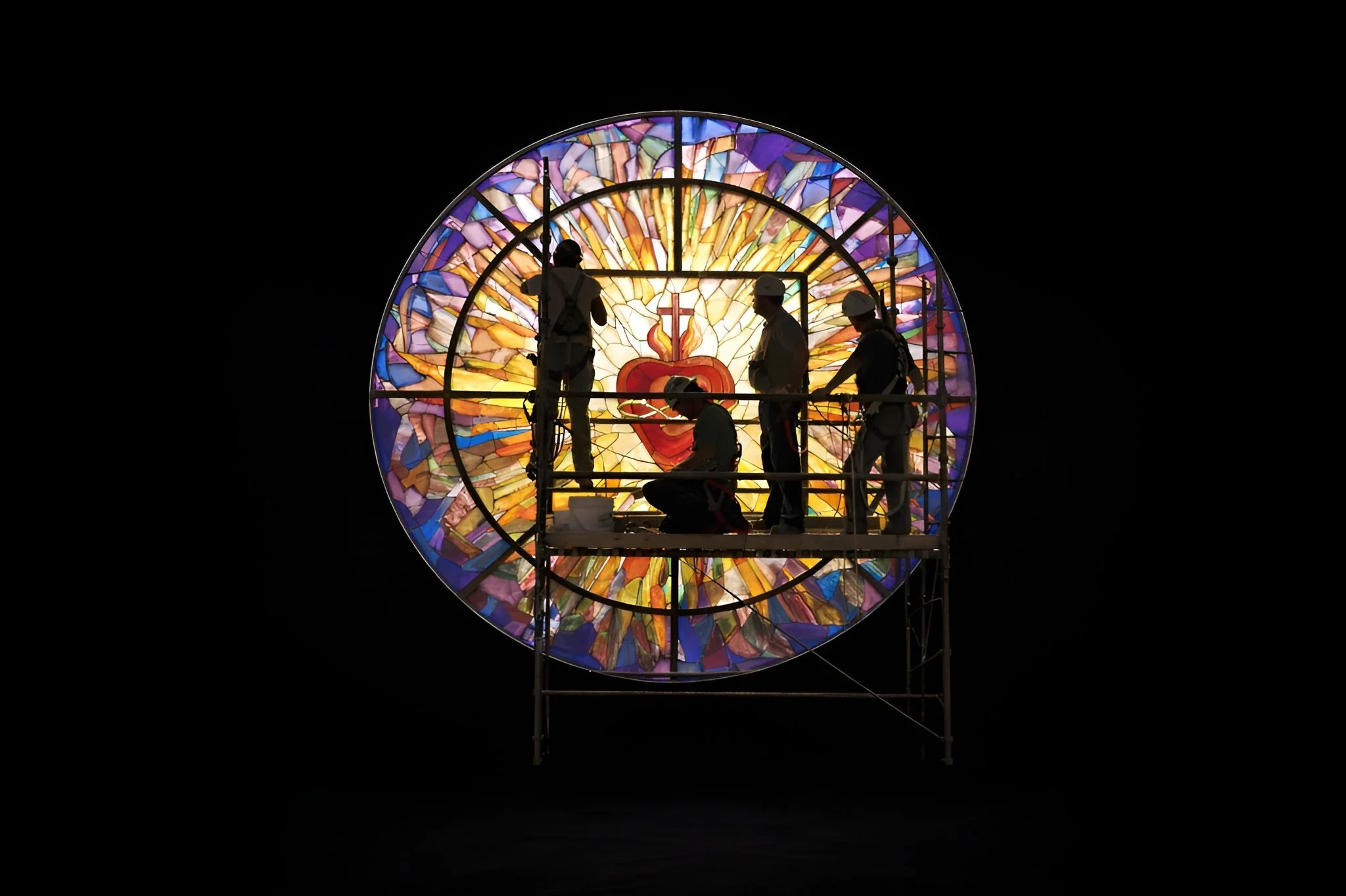
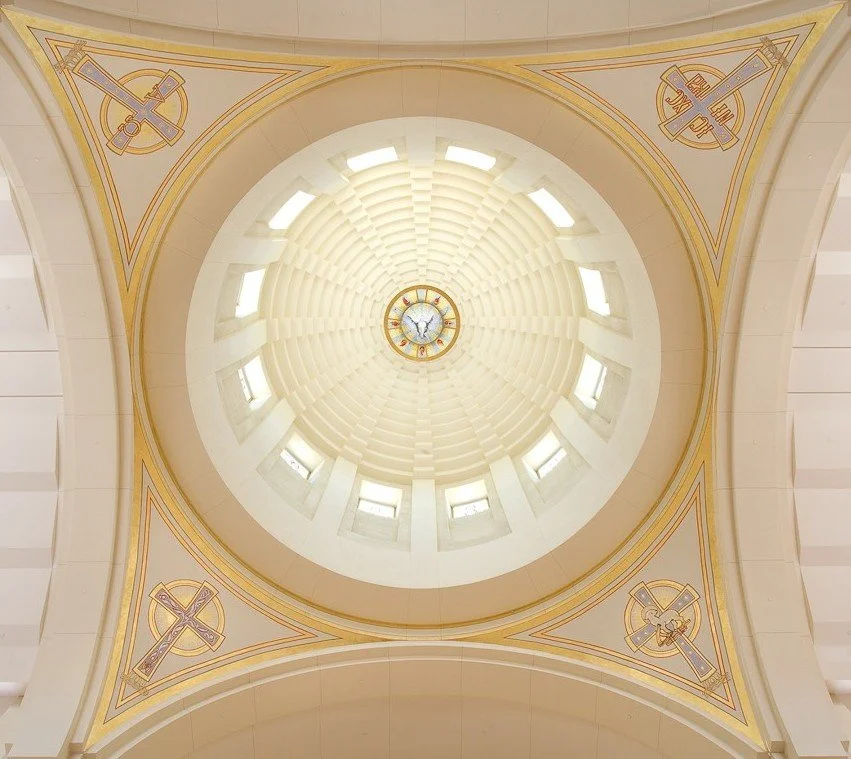
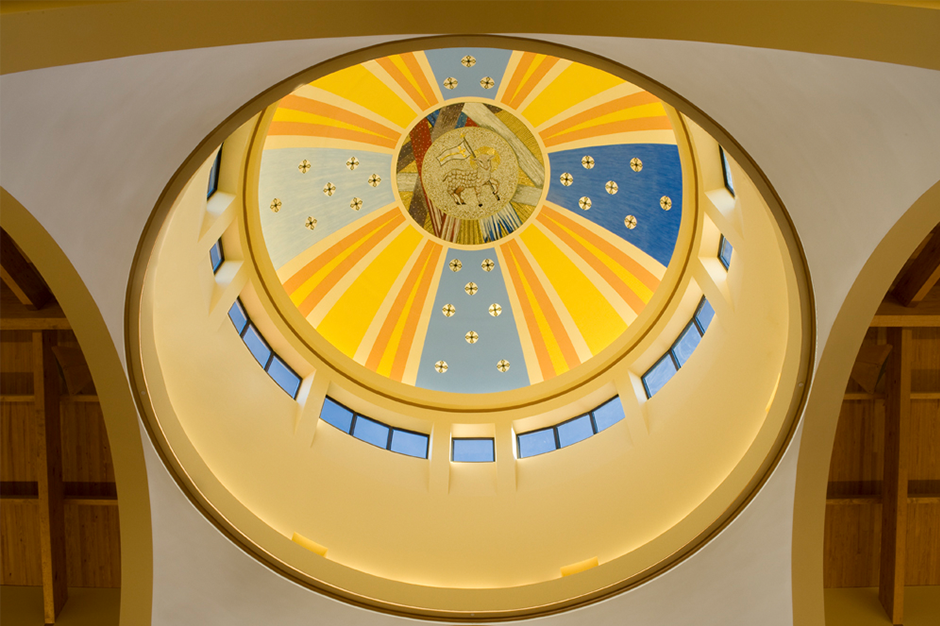
The Co-Cathedral of the Sacred Heart in downtown Houston demonstrates the powerful relationship between architecture, symbolism, and light. The Resurrection window on the front façade establishes a visual and spiritual focal point, while stained glass windows surrounding the grand dome and the stained-glass oculus of the Holy Spirit draw the eye upward. Clerestory windows wash the sanctuary with clear and colored light, creating a worship environment that feels dynamic, uplifting, and deeply connected to its sacred purpose.
Christ the Redeemer Catholic Church
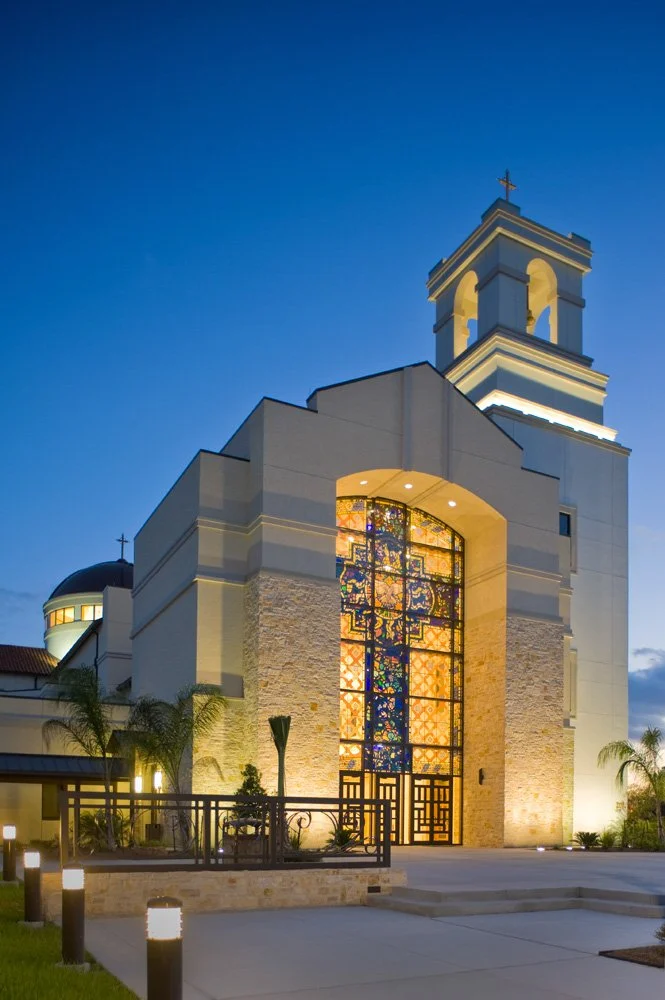
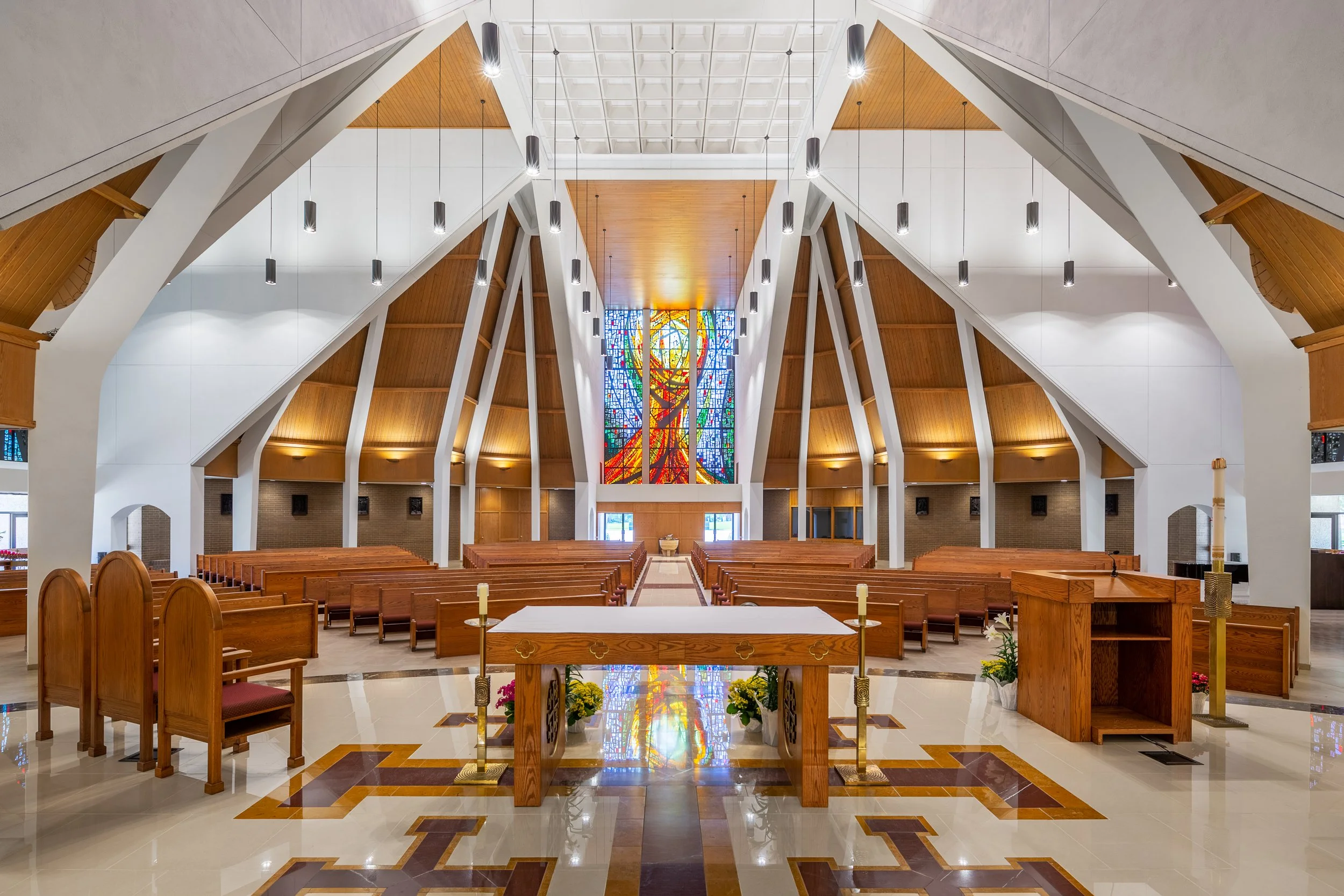
At Christ the Redeemer Catholic Church in Cypress, stained glass and natural daylight contribute to an atmosphere of quiet reflection. Throughout the day, changing patterns of light add warmth, depth, and visual richness to the worship space. These elements connect the church to long-standing traditions of sacred architecture while creating a worship environment that feels both timeless and contemporary.
Shrine of the True Cross Catholic Church
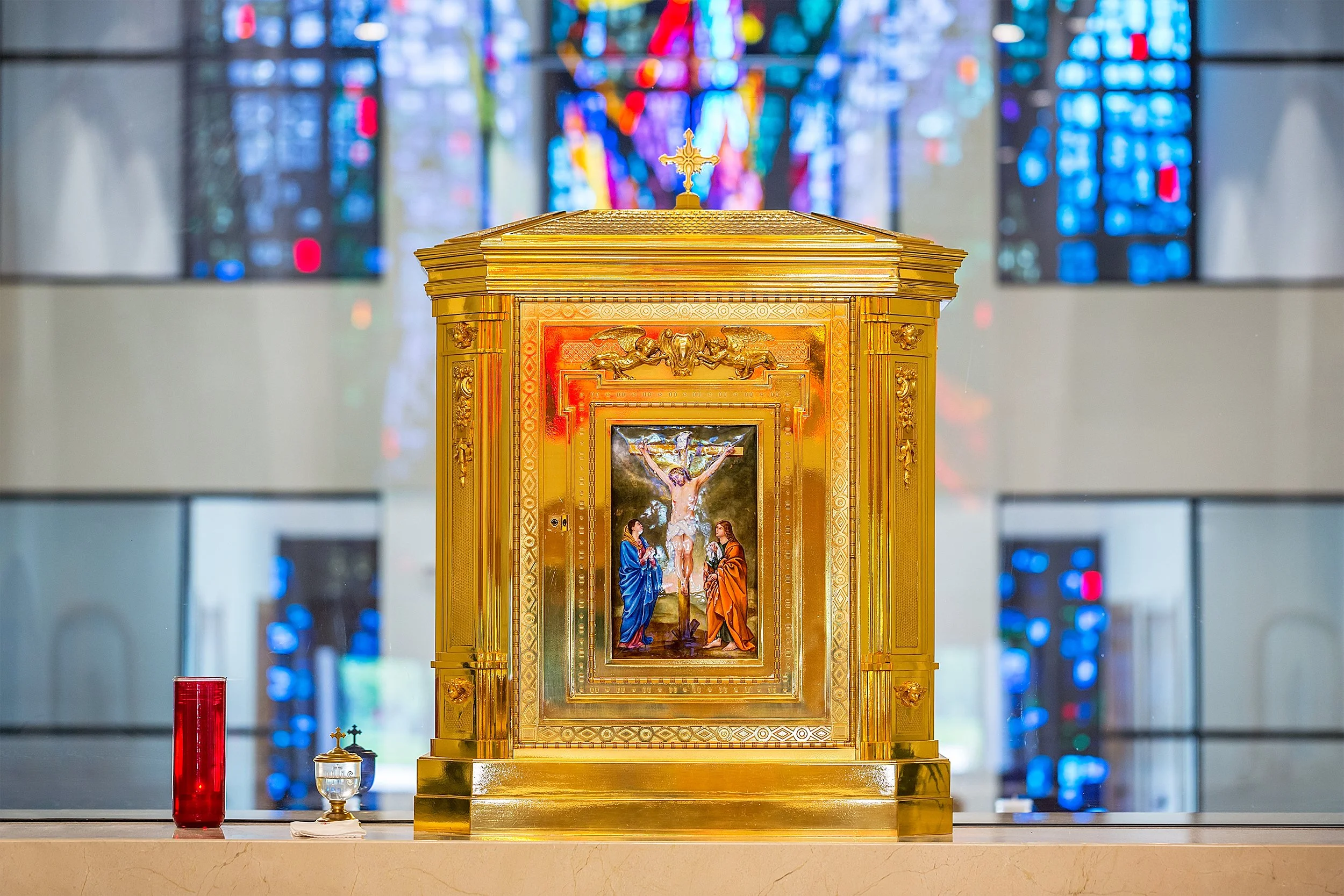
At Shrine of the True Cross Catholic Church in Dickinson, existing stained glass features became an important part of the church's renewal. By carefully incorporating and repositioning the glass throughout the renovated facility, the design maximizes visibility while allowing abundant natural light to fill the interior. The result preserves the significance of these treasured elements while strengthening the overall worship experience.

Together, these projects illustrate the enduring role of stained glass in worship architecture. More than a decorative element, it transforms daylight into an active part of the architecture, bringing depth, meaning, and visual richness to the worship environment.
While stone, concrete, wood, and steel define the physical boundaries of a worship space, light defines how it is experienced. Through stained glass and thoughtfully designed daylighting, architects can transform illumination into atmosphere, meaning, and connection, creating worship environments that resonate long after the service has ended.
Explore these worship architecture projects to see how light, materiality, and design shape the worship experience.
• Co-Cathedral of the Sacred Heart
• Christ the Redeemer Catholic Church
• Shrine of the True Cross Catholic Church