
Destination Placemaking Is No Longer an Amenity—It's a Strategy
“In a market driven by experience, connection, and long-term value, placemaking shapes not only how a project looks, but how it performs.”
- Scott Ziegler
For years, placemaking was treated as an amenity—something added late in the development process.
Today, it has become a defining strategy. In a market driven by experience, connection, and long-term value, placemaking shapes not only how a project looks, but how it performs. Autry Park in Houston is a compelling example of this evolution.
Developed by Hanover Development Company and designed by Ziegler Cooper Architects, the project extends beyond a single building to create a vibrant, walkable mixed-use district along Buffalo Bayou. Positioned between Downtown, River Oaks, and Montrose, it connects residents and visitors to one of Houston's most dynamic urban corridors, with direct access to Buffalo Bayou and its extensive park and trail system.
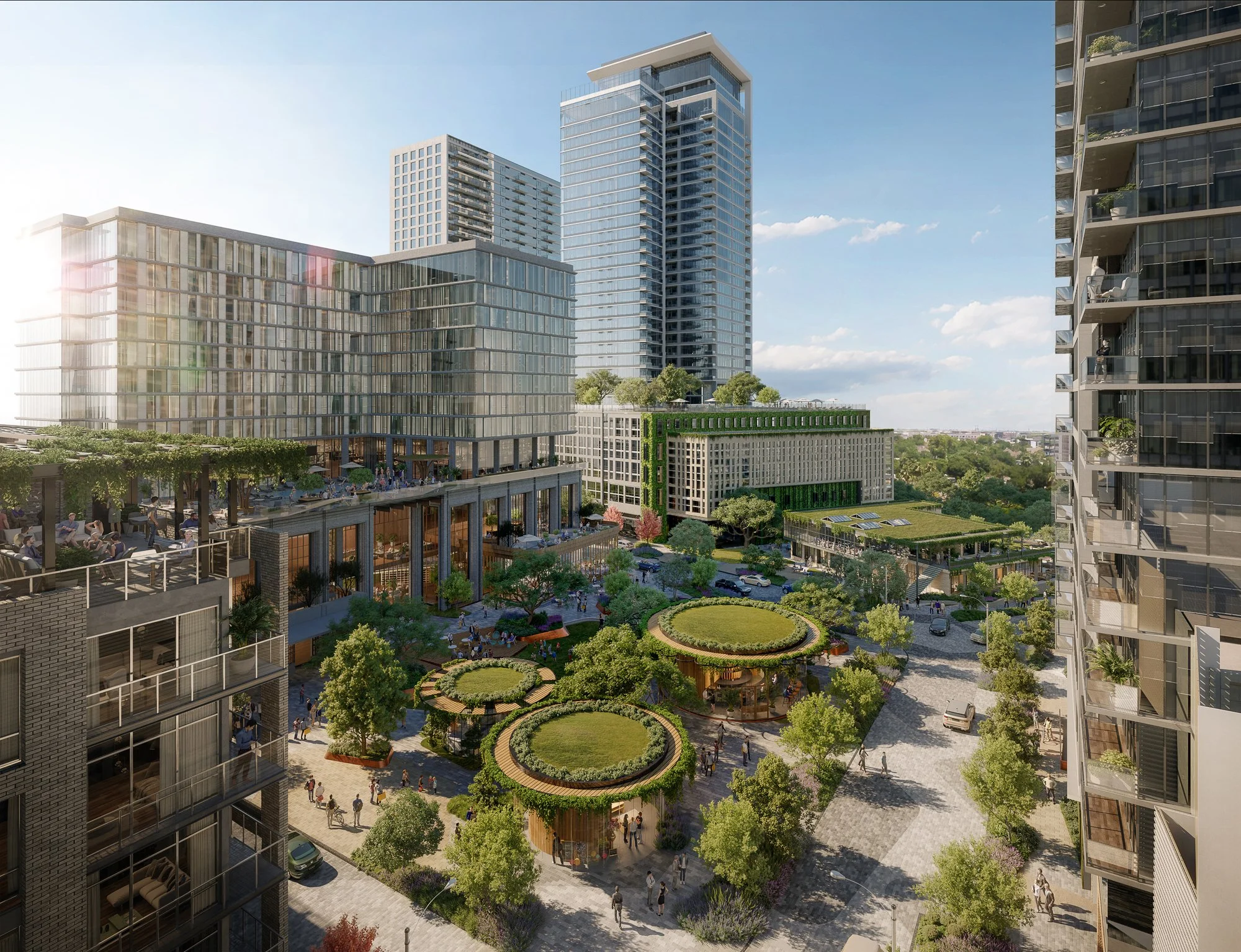
At the heart of Autry Park is the Village Green, a lively open space embraced by the surrounding buildings. It's where neighbors gather, friends connect, and community life unfolds. Whether hosting events or simply providing a place to linger, the Village Green helps make Autry Park feel less like a development and more like a neighborhood.
The Public Realm: Activating the Village Green
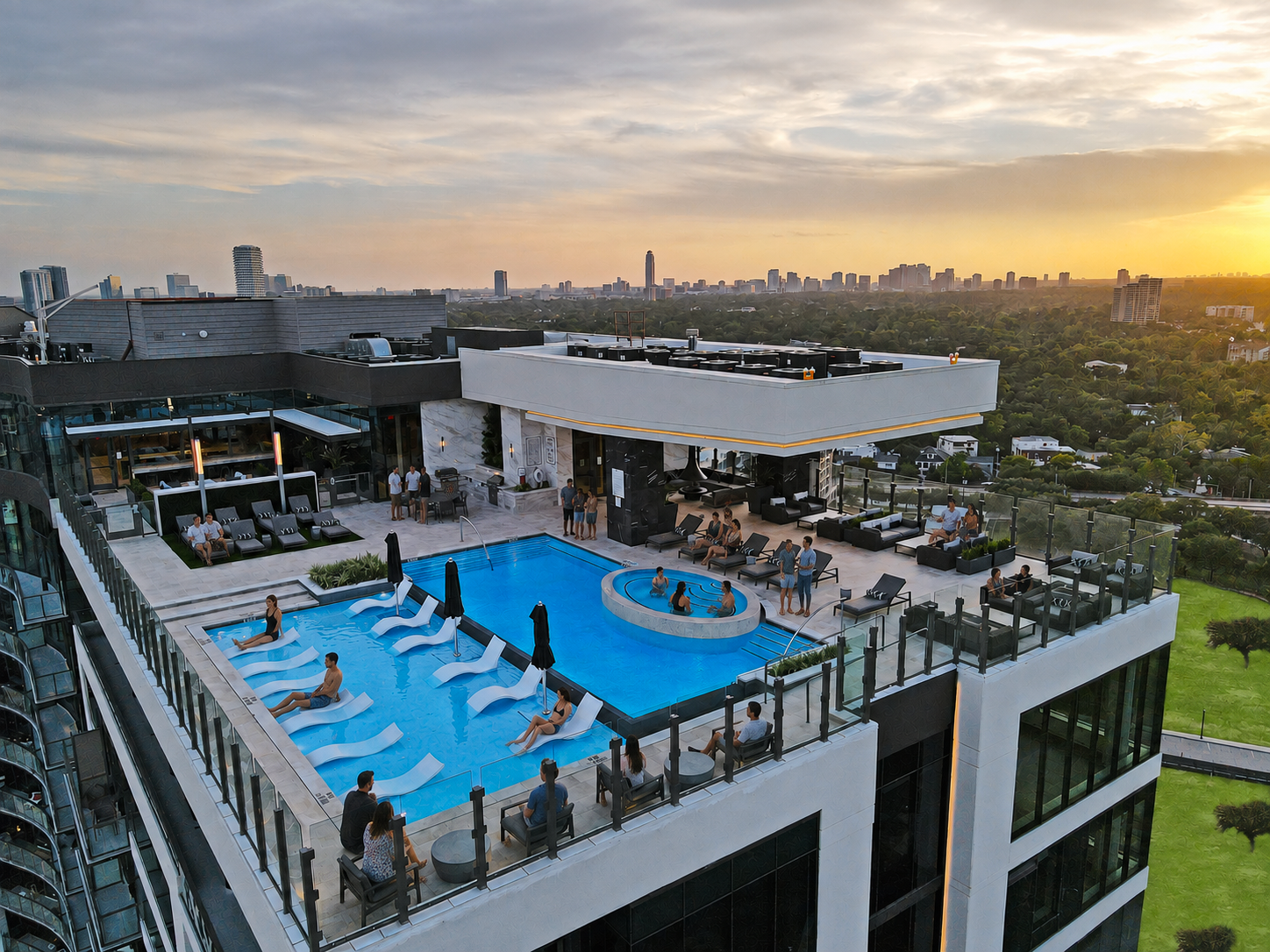
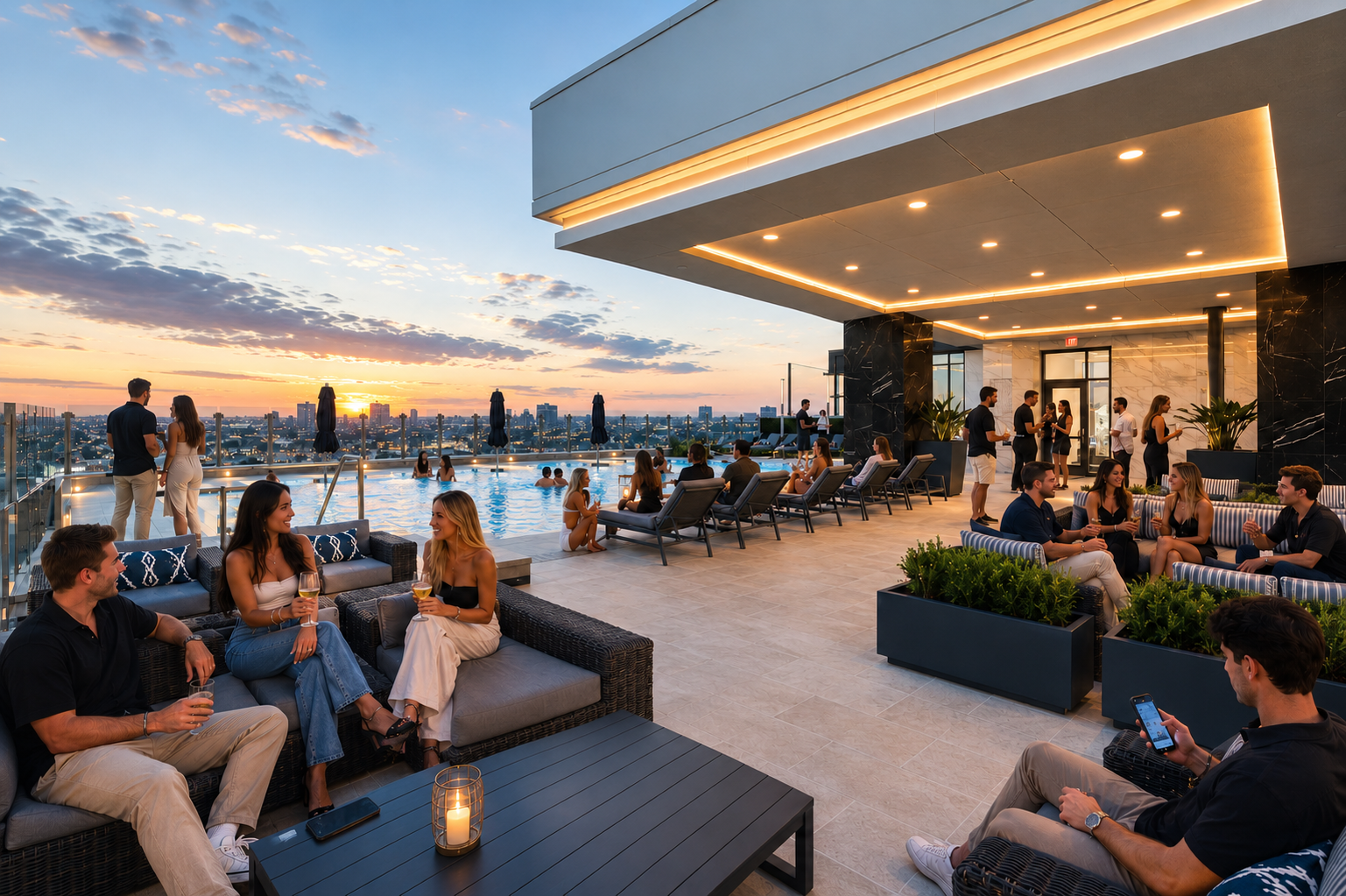
At the southern edge of the Village Green is a 24-story residential tower that embraces both luxury and community. Residents enjoy a rooftop pool with commanding views of Buffalo Bayou and the Downtown Houston skyline, along with a Sky Club and state-of-the-art fitness facilities on the upper floors.
These amenities were intentionally designed to capitalize on the remarkable views while creating opportunities for residents to gather, connect, and build lasting relationships.
Beyond the development itself, residents enjoy convenient access to the celebrated foodie culture of Montrose and the premier shopping, dining, and entertainment destinations of River Oaks. This unique location allows residents to embrace an authentic urban lifestyle—one that blends walkability, recreation, culture, and convenience within a highly connected environment.
At street level, a curated mix of restaurants, retail, and everyday services activates the public realm throughout the day and into the evening. The result is a place that feels alive—one that encourages people to linger, return, and engage with their surroundings.
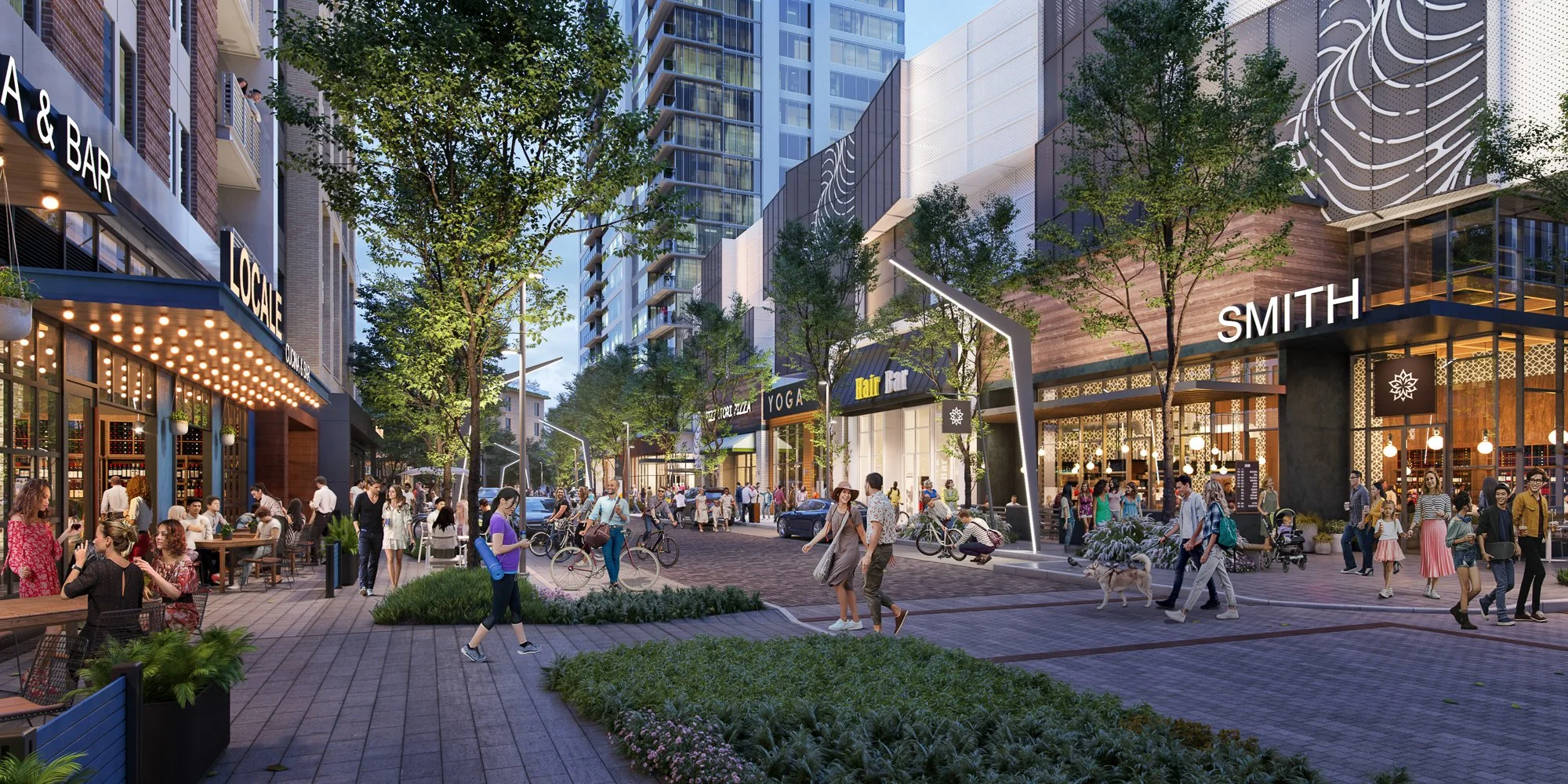
Having designed more than 100 vertical mixed-use developments, Ziegler Cooper has observed a consistent pattern: projects that successfully integrate residential, retail, hospitality, and public spaces routinely outperform the market. They command higher rents, attract stronger tenant demand, and become destinations people actively choose to visit. More importantly, they create a sense of place that fosters connection and belonging—qualities that have become increasingly important in today's cities.
As cities continue to evolve, the lesson is clear. Successful development is no longer measured solely by square footage or occupancy. It is measured by the quality of the experience it creates and the community it fosters.
Placemaking is no longer a finishing touch—it is the framework through which enduring value is created.